Entryways and foyers create first impressions. Learn how to select landscape art that welcomes guests, sets the tone for your home, and makes a lasting impact.
Your entryway or foyer is the first thing visitors see when they enter your home. It sets the tone, creates a first impression, and establishes the aesthetic for the entire house. The artwork you choose here is crucial—it's your home's introduction. Here's how to select landscape art that makes the right first impression.
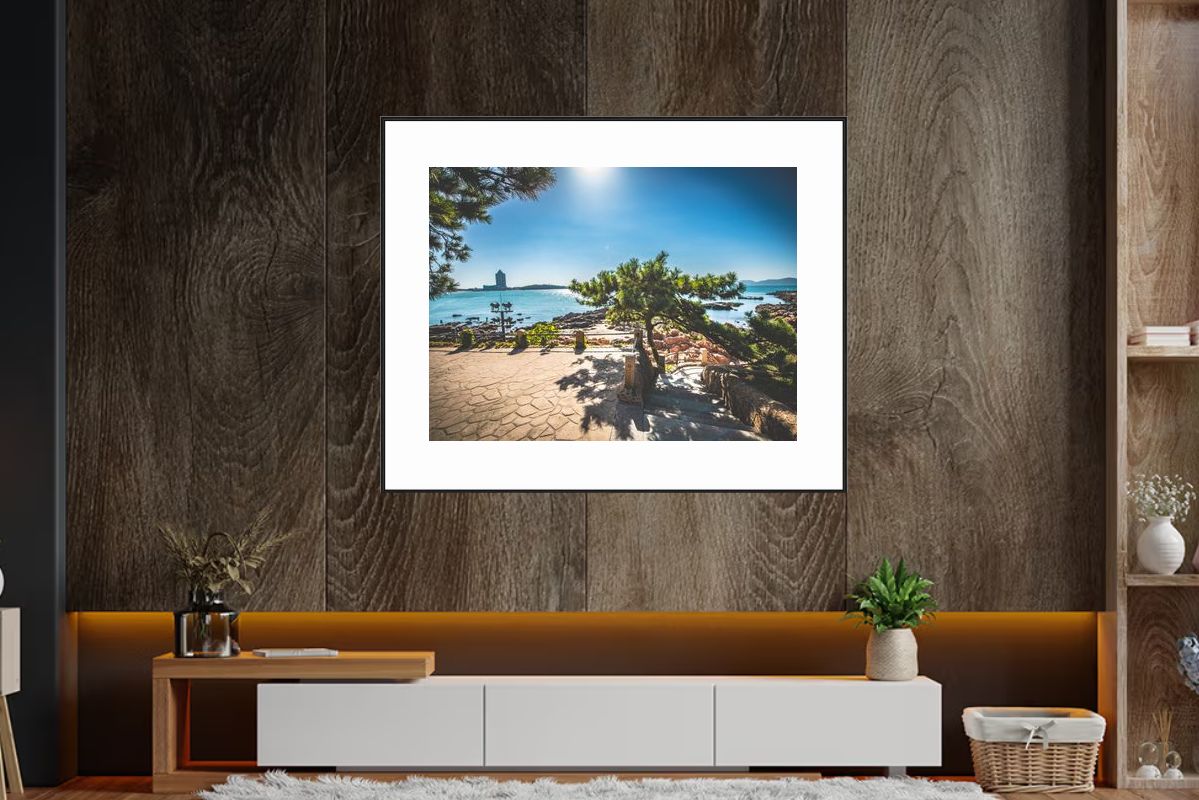
This award-winning piece from Africa creates immediate impact—the dramatic, large-scale desert scene makes a powerful first impression that sets your home's tone and reflects your personality.
Entryway art:
Creates immediate impact: First thing visitors see
This best-selling piece from Africa balances aesthetics and functionality—durable, appropriate scale, and works beautifully in high-traffic entryways while maintaining visual impact.
Entryways must balance:
Aesthetics: Beautiful, welcoming art
Functionality: Doesn't interfere with traffic
Durability: High-traffic area needs durable pieces
This award-winning piece from North America demonstrates proper sizing—the impressive mountain and lake scene adapts to small, standard, or large foyers, creating appropriate impact at any scale.
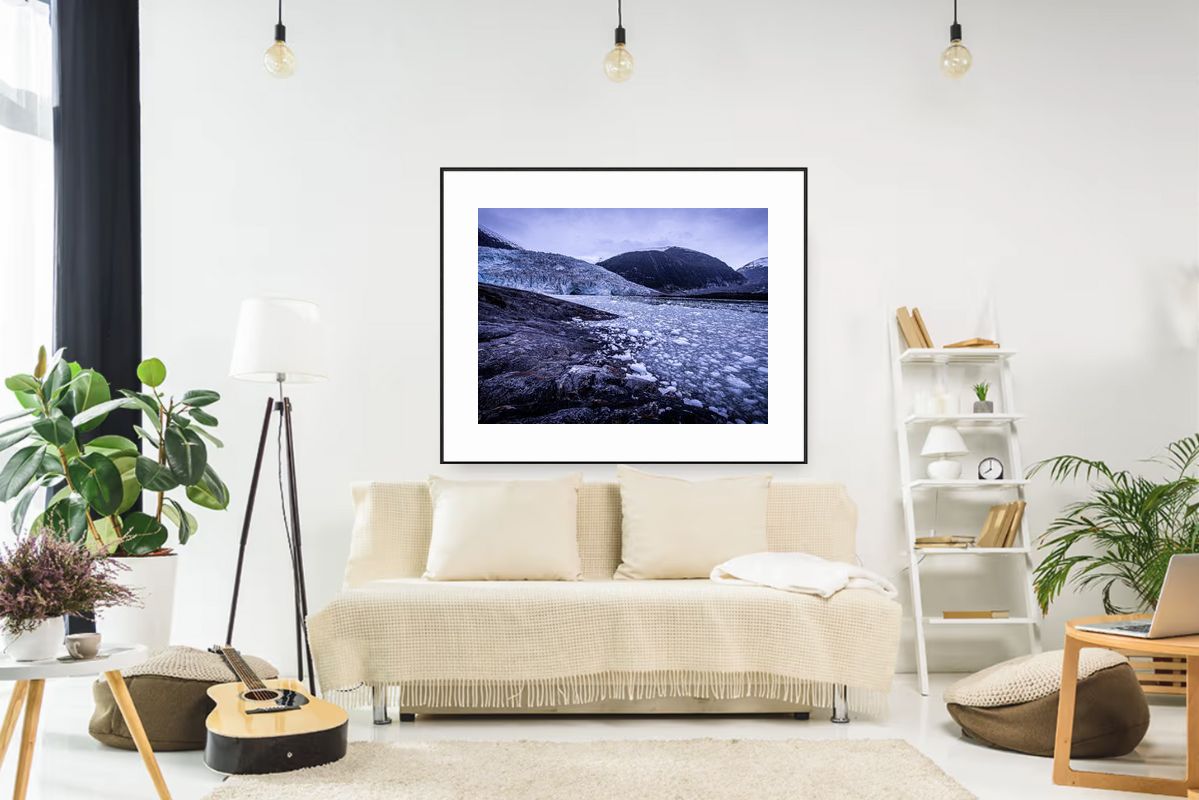
This best-selling piece from South America demonstrates entryway color considerations—the cool glacier tones create welcoming atmosphere while complementing various interior color schemes.
Creating Atmosphere
Warm Welcomes:
Golden hour scenes: Warm, inviting
Sunset landscapes: Welcoming glow
Earth tones: Grounded, comfortable
Creates cozy feeling
Cool Sophistication:
Ocean scenes: Calm, serene
Mountain vistas: Clean, crisp
Cool color palettes: Sophisticated
Creates elegant feel
Neutral Versatility:
Black and white: Timeless, versatile
Muted tones: Works with any decor
Monochrome: Sophisticated, clean
Creates flexible foundation
Matching Home Aesthetic
Entryway art should:
Hint at interior style: Preview what's inside
Complement entryway colors: Work with walls, floor
This award-winning piece from South America works beautifully in entryway placement—the calm glacier reflection creates perfect focal points above consoles, on feature walls, or at hallway ends.
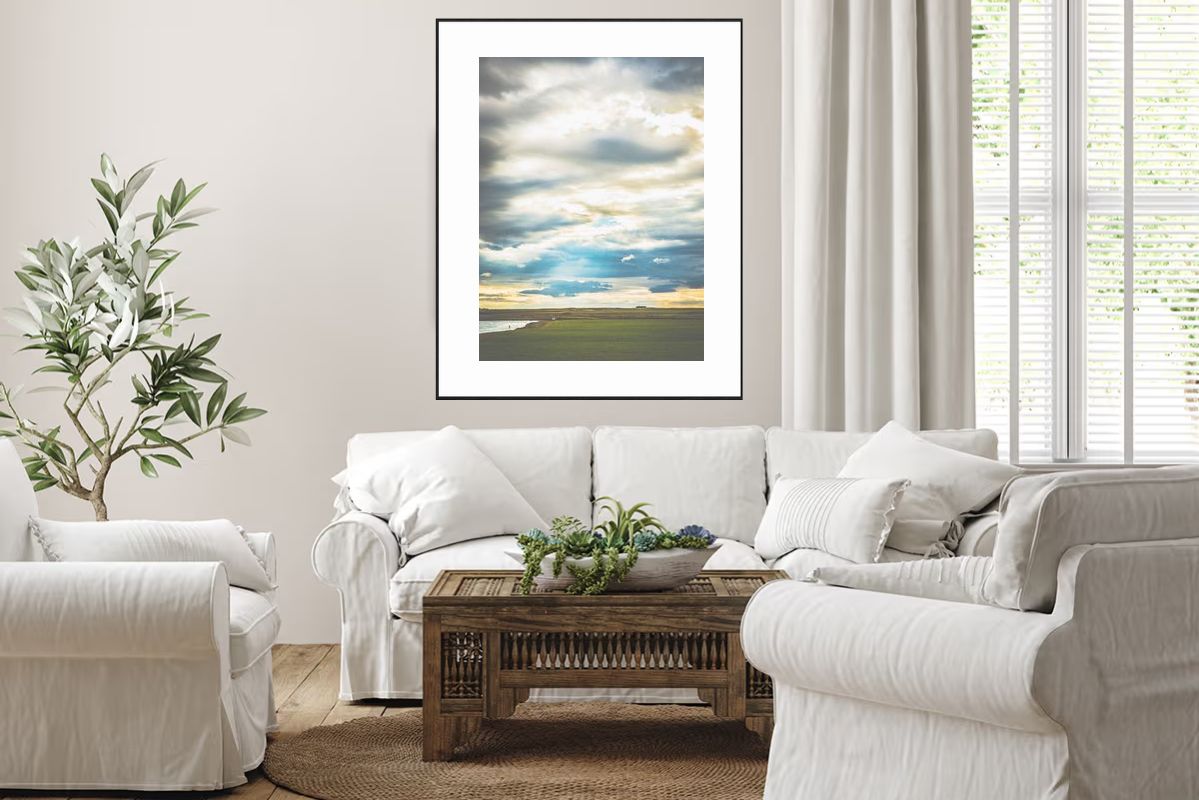
This award-winning piece from Europe responds beautifully to entryway lighting—the atmospheric scene works with limited natural light, accent lighting, or overhead fixtures common in entryways.
Natural Light
Entryways often have:
Limited windows: Less natural light
Variable conditions: Changes throughout day
Door light: Light from open door
Consider positioning: Maximize available light
Artificial Lighting
Essential for Entryways:
Accent lighting: Highlight art
Picture lights: Focused illumination
Track lighting: Adjustable, flexible
Dimmable options: Control intensity
Lighting Tips:
Illuminate art properly
Avoid harsh shadows
Create welcoming glow
Consider time of day
Creating Flow
Connecting to Interior
Entryway art should:
Preview interior style: Hint at what's inside
Create visual flow: Guide into home
Establish color palette: Introduce home colors
Set aesthetic tone: Match interior design
Transitional Function
Entryway art:
Bridges outside and inside: Connects spaces
Creates transition: From public to private
Establishes mood: Sets home atmosphere
Guides movement: Directs into home
Special Considerations
High-Traffic Areas
For busy entryways:
Durable art: Can handle activity
Proper placement: Avoid bumping
Easy maintenance: Simple to clean
Secure mounting: Well-anchored
Small Entryways
For compact spaces:
Smaller art: 24-30 inches
Vertical pieces: Use height
Light colors: Make space feel larger
Single piece: Don't clutter
Large Foyers
For grand entryways:
Large statement pieces: 48+ inches
Multiple pieces: Gallery arrangements
Dramatic impact: Make strong statement
Luxury feel: High-end appearance
Common Mistakes
Too Small: Art that gets lost
Wrong Subject: Inappropriate imagery
Poor Lighting: Art that's hard to see
Wrong Placement: Awkward positioning
Clashing Colors: Doesn't work with space
Ignoring Scale: Wrong size for space
Conclusion
The best art for entryways and foyers:
Creates welcoming first impression
Is appropriately sized for the space
Uses welcoming, accessible subject matter
Complements home's aesthetic
Is properly lit and positioned
Reflects your personal style
Remember, your entryway is your home's introduction. Choose landscape art that welcomes guests, sets the right tone, and creates a positive first impression. The right piece can transform your entryway from a simple passage into a beautiful, welcoming introduction to your home.
Explore the Deserts Collection
Browse our complete collection of deserts photography with 45 prints available.